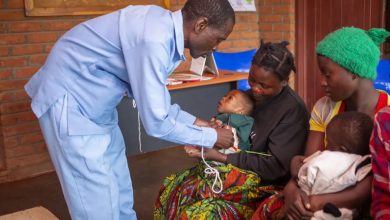
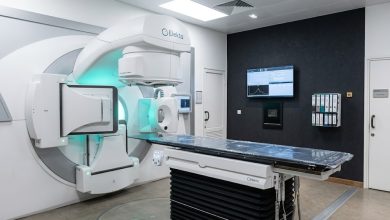
Environmental health professionals gather this August for an annual conference to reflect on how Artificial Intelligence (AI) can improve public health outcomes in Malawi.
They are the first line of defence against preventable diseases. Their work often happens behind the scenes before patients reach hospitals and treating avoidable diseases drains public resources.
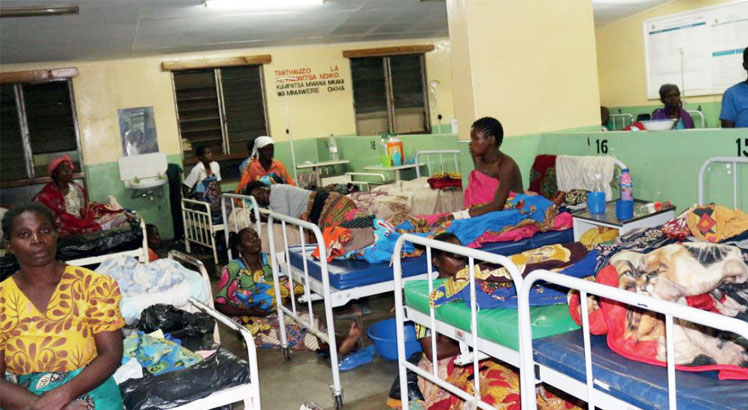
Among others, they inspect food premises, monitor drinking water quality and air polution, promote sanitation and hygiene, manage waste, assess buildings and environmental conditions, support wastewater and drainage management, investigate disease outbreaks, control disease vectors and respond to emergencies.
Malawi faces recurring cholera outbreaks, malaria remains a major public health challenge and climate change increases the frequency and intensity of floods and droughts.
Environmental risks are also increasing with rapid population growth and urbanisation, exerting pressure on sanitation, waste management, housing and safe water services.
Environmental health proffessionals need to make faster, better-informed and data-driven decisions.
Traditional data collection and analysis approaches are no longer sufficient.
Practitioners spend time compiling reports manually, analysing surveillance spreadsheets and travelling long distances to investigate public health incidents. By the time information is acted upon, valuable opportunities for prevention may already have been lost.
AI can process large volumes of information rapidly, identify patterns, detect anomalies and generate predictions that support faster decision-making.
AI cannot replace environmental health professionals, but it enables them to work more efficiently, respond faster and target interventions where they are needed.
Before a significant cholera outbreak occurs, an AI-supported system could identify high-risk areas and alert health authorities to strengthen water quality monitoring, sanitation inspections, hygiene promotion and community awareness.
Such an approach would enable policymakers and service providers to become more proactive prevention.
AI also has important applications in water quality monitoring. Instead of relying exclusively on periodic field inspections, AI could analyse laboratory results, digital sensor information, mobile reports and other relevant data to identify potential contamination risks.
Professionals could then prioritise inspections and interventions based on evidence and risk, not routine inspection schedules.
Additionally, local authorities face increasing volumes of solid waste, illegal dumping and limited collection capacity.
AI-supported tools could improve waste collection efficiency and reduce unnecessary transport costs.
Satellite imagery and digital technologies could also help identify illegal dumping sites and environmental hotspots that often go unnoticed.
AI can further strengthen disease surveillance and outbreak preparedness.
Malawi generates significant amounts of information through health facilities and surveillance systems. AI could analyse health information alongside climate, environmental and demographic data to identify unusual patterns and emerging risks.
Early detection supports faster investigation and response, averting public health emergencies.
Environmental health professionals in Malawi require new competencies that complement their existing technical expertise.
Digital literacy, geographic information systems, environmental health informatics, data analysis and responsible use of AI should increasingly form part of professional development.
Public universities and other training institutions should consider integrating these competencies into environmental health curricula to prepare future professionals for a rapidly changing public health terrain.
AI integration into environmental health should also align with Malawi’s broader ambitions for digital transformation, stronger disease surveillance and improved emergency preparedness.
It can contribute to the Malawi 2063 long-term development agenda and the global Sustainable Development Goal (SDG) three on good health and well-being; SDG6 on safe clean water and sanitation; SDG11 on sustainable cities and communities), and SDG13 on tackling change.
AI is already influencing environmental health practice. Are academic institutions and service providers prepared to equip the country’s environmental health workforce with the knowledge, skills and tools to harness its potential?
*The author is the former Principal Secretary for Water Development. He has over 25 years experience in water, sanitation, hygiene and public health systems strengthening. – Elias Chimulambe
The author is the former Principal Secretary for Water Development. He has over 25 years experience in water, sanitation, hygiene and public health systems strengthening.